


ক্রেজি টাইম ক্যাসিনো গেম
বাংলাদেশে সেরা ক্রেজি টাইম অ্যাকশন খুঁজছেন? আমাদের শীর্ষ ১০ ক্রেজি টাইম ক্যাসিনো লাইভ উত্তেজনা, উদার বোনাস, এবং বড় জিততে সুযোগ প্রদান করে।
ভূমিকা: ক্রেজি টাইম গেম পরিচিতি
আমি যখন প্রথম ক্রেজি টাইম গেমের সাথে পরিচিত হলাম, তখন থেকেই এটি আমার প্রিয় অনলাইন ক্যাসিনো গেমসের অন্যতম হয়ে উঠেছে। এই গেমটি হচ্ছে এক অনন্য লাইভ অনলাইন গেম শো, যা ড্রিম ক্যাচার মানি হুইল কনসেপ্টের উপর নির্মিত। প্রতি রাউন্ডে গুণক সহ এই গেমটি এমন এক সর্বাধিক মজাদার সময় উপহার দেয়, যা ক্যাসিনো গেমিং অভিজ্ঞতাকে এক নতুন মাত্রায় নিয়ে যায়।
ক্রেজি টাইম গেমের অন্তর্নিহিত প্রধান আকর্ষণ হল এর ইন্টারেক্টিভ উপাদান এবং উন্নত প্রযুক্তি, যা খেলোয়াড়দের দুইটি বোনাস গেমের মধ্যে ভিন্ন গুণক জয়ের সুযোগ দেয়। আমি নিজে এই গেমের বিভিন্ন বোনাস রাউন্ডসমূহে অংশ নিয়ে অনেক উত্তেজনা এবং আনন্দ উপভোগ করেছি, যা সত্যিই মনোরম।
এই গেমটিতে লাইভ বিনোদনের সাথে আরএনজি গেমপ্লের সংমিশ্রণ রয়েছে, যা ক্রেজি টাইমকে এক অনন্য খেলোয়াড় অভিজ্ঞতা দেয়। আমি এই গেমের প্রতিটি মুহূর্তকে উপভোগ করেছি, এবং আমি নিশ্চিত যে অন্য খেলোয
়াড়রাও এটি উপভোগ করবে।
আসুন আমরা ক্রেজি টাইম গেমের প্রতিটি উপাদানের দিকে একটি বিস্তারিত নজর দিই, এবং বুঝে নিই কেন এটি অনেকের কাছে এত জনপ্রিয়।
ক্রেজি টাইম হোস্ট ব্যানার
খেলার প্রস্তুতি: সবচেয়ে মজাদার ক্যাসিনো গেম খেলার জন্য প্রস্তুত হন
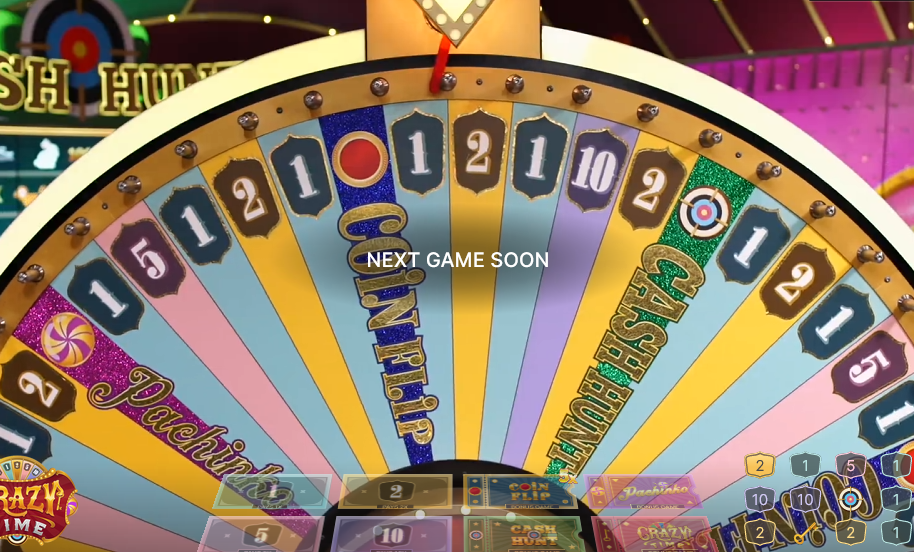
ক্রেজি টাইম হলো এমন একটি গেম যা আমাকে প্রতিবারই এক অনন্য উত্তেজনা এবং আনন্দ প্রদান করে। এই গেমের স্টুডিও সেটআপটি বিশাল, রঙিন এবং মনোরঞ্জক। এখানে একটি মূল মানি হুইল, একটি টপ স্লট এবং চারটি উত্তেজনাপূর্ণ বোনাস গেম – ক্যাশ হান্ট, পাচিঙ্কো, কয়েন ফ্লিপ এবং ক্রেজি টাইম রয়েছে। প্রতিটি বোনাস গেম এবং মূল গেমের মধ্যে যে অল-অ্যাকশন গেমপ্লে ঘোরাফেরা করে, তা খেলার সহজতা এবং আনন্দকে আরও বেশি করে তোলে।
খেলোয়াড়রা কেবল সংখ্যা (১, ২, ৫ অথবা ১০) এবং/অথবা বোনাস গেমগুলিতে তাদের বাজি রাখেন। বোনাস গেমের মধ্যে দুটিতে, খেলোয়াড়দের একটি সিদ্ধান্ত নেওয়ার সুযোগ থাকে, যা আরও উত্তেজনাপূর্ণ – এই গেমগুলিতে খেলোয়াড়রা সবসময় একই পুরস্কার জিতে থাকে না!
মূল গেম রাউন্ড ব্যানার
মূল গেম রাউন্ডে, টপ স্লট প্রতিটি গেম রাউন্ডের শুরুতে মূল মানি হুইলের
সাথে একসাথে ঘুরবে। টপ স্লট একটি র্যান্ডম বাজি স্পটের জন্য একটি র্যান্ডম গুণক তৈরি করে – এটি হতে পারে একটি সংখ্যা অথবা একটি বোনাস গেম। যদি টপ স্লটে গুণক এবং বাজির স্পট অনুভূমিকভাবে মিলে যায়, তাহলে এটি একটি ম্যাচ হয় এবং এই বাজির স্পটে একটি গুণক যোগ হয়। এই গুণকটি একটি সংখ্যার উপর বাজি গুণকরণ করবে অথবা বোনাস গেমের গুণকগুলিকে গুণকরণ করবে – এটি নির্ভর করে মূল হুইলটি এই বাজির স্পটে থামে কিনা।
সব খেলোয়াড়রা বোনাস গেমগুলি দেখতে পারেন, কিন্তু কেবল যেসব খেলোয়াড়রা সংশ্লিষ্ট বাজির স্পটে বাজি রেখেছেন তারাই অংশ নিতে পারবেন এবং জিততে পারবেন।
মূল গেম রাউন্ড
মূল খেলার বৃত্তান্ত: টপ স্লট এবং মানি হুইলের সাথে প্রতি গেম রাউন্ডের শুরু
যখন আমি প্রথম মূল গেম রাউন্ডে অংশ নিলাম, তখন আমি দেখলাম টপ স্লটটি প্রতিটি গেম রাউন্ডের শুরুতে মানি হুইলের সাথে একসাথে ঘুরছে। এই টপ স্লট একটি বিশেষ বাজি স্পটের জন্য একটি র্যান্ডম গুণক তৈরি করে, যা হতে পারে একটি সংখ্যা অথবা বোনাস গেম। এই গুণক এবং বাজির স্পট যদি অনুভূমিকভাবে মিলে যায়, তাহলে তা একটি ম্যাচ হয় এবং ওই বাজির স্পটে একটি গুণক যোগ হয়।
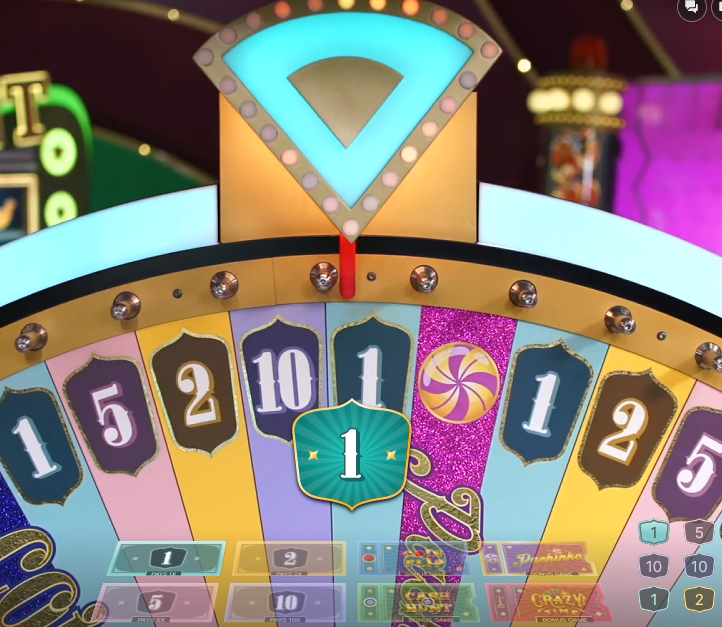
প্রতিবার আমি খেলা শুরু করার আগে, আমি এই ম্যাচিং প্রক্রিয়াটি নিয়ে অনেক উত্তেজিত হই, কারণ এটি আমাদের জয়ের সম্ভাবনা বাড়িয়ে দেয়। যদি টপ স্লট এবং মূল হুইলের স্পট মিলে যায়, তাহলে গুণকটি সংখ্যার উপর বাজি গুণকরণ করবে, অথবা বোনাস গেমের গুণকগুলিকে গুণকরণ করবে। এই বৈশিষ্ট্যটি আমার কাছে অনেক আকর্ষণীয় মনে হয়, কারণ এটি প্রতিটি রাউন্ডকে আরও অনুমানযোগ্য এবং উত্তেজনাপূর্ণ করে তোলে।
গ
েমের এই অংশে আমি বাজি ধরার সময় সবসময় নিজের ভাগ্য এবং কৌশলের উপর নির্ভর করি। প্রতিটি রাউন্ডে, আমি আমার বাজির পছন্দ অনুযায়ী সিদ্ধান্ত নিই এবং টপ স্লট এবং মানি হুইলের সাথে মিলিত হওয়ার আশায় অপেক্ষা করি।
আসুন এখন ক্রেজি টাইম গেমের বোনাস গেমগুলির দিকে একটি নজর দেই, যেখানে আমি অনেক মজা এবং উত্তেজনা উপভোগ করেছি।
বোনাস গেমস
ক্যাশ হান্ট বোনাস গেম: ১০৮ র্যান্ডম গুণকের শুটিং গ্যালারি
আমি যখন ক্যাশ হান্ট বোনাস গেমে অংশ নিই, তখন এটি আমাকে একটি শুটিং গ্যালারির মধ্যে নিয়ে যায় যেখানে ১০৮টি র্যান্ডম গুণক লুকানো থাকে। প্রতিটি গুণক বিভিন্ন প্রতীক দ্বারা আবৃত থাকে এবং খেলোয়াড়কে কাউন্টডাউন টাইমার শুরু হওয়ার পর তার লক্ষ্য নির্ধারণ করতে হয়। আমি যখন আমার লক্ষ্য নির্বাচন করি, তখন আমার মনে হয় যেন আমি সত্যিকারের শুটিং গেমে অংশ নিচ্ছি। ক্যানন দ্বারা লক্ষ্যবস্তুতে গুলি করা হয় এবং সময় শেষ হলে জিতা গুণকটি প্রকাশিত হয়।
কয়েন ফ্লিপ বোনাস গেম: মুদ্রা নিক্ষেপের মাধ্যমে গুণক নির্ধারণ
কয়েন ফ্লিপ বোনাস গেমে, একটি মুদ্রা উল্টানো হয় এবং এটি যে দিকে পড়ে সেই দিকের গুণক জিতা হয়। মুদ্রার একপাশে লাল এবং অন্য পাশে নীল রঙ থাকে। মুদ্রা উল্টানোর আগে দুটি গুণক তৈরি করা হয়, একটি লাল দিকের জন্য এবং অন্যটি নীল দিকের জন্য। এই গেমটি আমার কাছে খুবই উত্তেজন
াপূর্ণ মনে হয়, কারণ এটি পুরোপুরি ভাগ্যের উপর নির্ভর করে।
পাচিঙ্কো বোনাস গেম: পাচিঙ্কো প্রাচীরে পাকের মাধ্যমে গুণক জয়
পাচিঙ্কো বোনাস গেমটি আমার কাছে একটি বিশেষ অভিজ্ঞতা। এই গেমে, একটি বড় পাচিঙ্কো প্রাচীরে প্রচুর পেগ থাকে এবং গেম প্রেজেন্টার একটি পাক ফেলেন। পাকটি যেখানে পড়ে, সেখানের গুণকটি জিতা হয়। যদি পাকটি ‘ডাবল’ মানের উপর পড়ে, তাহলে প্রাচীরের নিচের সব গুণক দ্বিগুণ হয়ে যায় এবং পাকটি আবার ফেলা হয়। এটি চলতে থাকে যতক্ষণ না একটি গুণক জিতা হয়।
ক্রেজি টাইম বোনাস গেম: বৃহত ভার্চুয়াল মানি হুইলের সাথে এক অভিনব বোনাস রাউন্ড
ক্রেজি টাইম বোনাস গেম হলো এই গেমের সবচেয়ে উত্তেজনাপূর্ণ অংশ। এই গেমে, আমি একটি লাল দরজা খুলে একটি মজাদার এবং অভিনব ভার্চুয়াল বিশ্বে প্রবেশ করি যেখানে একটি বিশাল ভার্চুয়াল মানি হুইল রয়েছে। খেলা শুরু হওয়ার আগে, প্রতিটি খেলোয়াড় তাদের ফ্ল্যাপার নির্বাচন করে – নীল, সবুজ অথবা হলুদ। গেম প
্রেজেন্টার একটি বড় লাল বোতাম চাপলে হুইলটি ঘুরতে শুরু করে। হুইলটি থামলে, ফ্ল্যাপার যেখানে নির্দেশ করে, সেখানের গুণকটি জিতা হয়। যদি ফ্ল্যাপার ‘ডাবল’ অথবা ‘ট্রিপল’ মানের উপর থামে, তাহলে সব গুণক দ্বিগুণ অথবা তিনগুণ হয়ে যায়, এবং হুইলটি আবার ঘুরানো হয়। শুধুমাত্র যেসব খেলোয়াড়রা এই ফ্ল্যাপার নির্বাচন করেছেন, তারাই এই রাউন্ডে অংশ নিতে পারেন। হুইলটি পুনরায় ঘুরানো হয়, যতক্ষণ না গুণকগুলি সর্বাধিক ২০,০০০x গুণকে পৌঁছায়।
এই বোনাস গেমগুলির প্রতিটি আমার কাছে এক অনন্য অভিজ্ঞতা এবং প্রতিটি গেমে আমি নতুন এক উত্তেজনা এবং মজা খুঁজে পাই। ক্রেজি টাইম গেমের এই বৈচিত্র্যময় এবং উত্তেজনাপূর্ণ বোনাস রাউন্ডগুলি আমাকে সবসময় আরও বেশি খেলতে প্রেরণা দেয়।
সমাপ্তি
ক্রেজি টাইমের সর্বশেষ পর্যালোচনা: লাইভ বিনোদন এবং আরএনজি গেমপ্লের সংমিশ্রণ
ক্রেজি টাইম গেমে আমার অভিজ্ঞতা ছিল অসাধারণ। এই গেমটি শুধুমাত্র একটি সাধারণ অনলাইন ক্যাসিনো গেম নয়, এটি একটি পূর্ণাঙ্গ বিনোদনের প্যাকেজ। লাইভ গেম শোর উত্তেজনা এবং আরএনজি গেমপ্লের অভিনব সংমিশ্রণের মাধ্যমে ক্রেজি টাইম এক নতুন মাত্রা প্রদান করে।
মূল গেম রাউন্ড এবং বোনাস গেমগুলির প্রতিটি মোমেন্ট আমাকে অত্যন্ত উত্তেজনায় ভরিয়ে তুলেছে। প্রতিটি গেম রাউন্ডের শুরুতে টপ স্লট এবং মানি হুইলের সংমিশ্রণ এক নতুন উত্তেজনা সৃষ্টি করে। বোনাস গেমগুলি, যেমন ক্যাশ হান্ট, কয়েন ফ্লিপ, পাচিঙ্কো এবং ক্রেজি টাইম, প্রত্যেকটি আলাদা এবং উত্তেজনাপূর্ণ অভিজ্ঞতা প্রদান করে।
আমি এই গেমের সবগুলি উপাদানের প্রতি মুগ্ধ হয়েছি – তার গ্রাফিক্স, ইন্টারেক্টিভিটি, এবং বিশেষ করে গেমপ্লের উত্তেজনা। ক্রেজি টাইম আমাকে একটি অনন্য গেমিং অভিজ্ঞতা দিয়েছে, যা আমার ক্যাসিনো গেমিং পছন্দের ত